AI Engine
Turning the user model and the content model into explainable recommendations.
The engine answers one question: given what we know about a visitor and everything we know about the collection, what should they see next, and why? It reads the visitor's interests, gathers candidates by meaning and by expert tags, scores them on several axes, then deliberately adds variety so the result is not ten versions of the same story. Every recommendation keeps a breakdown of why it was chosen, so the system can explain itself.
What you will find here
-
The built-in dashboard for inspecting user models, served recommendations, and metrics.
-
The functional and non-functional requirements, traced to visitor user stories.
For the implemented, typed codebase behind these concepts, see Implementation: the architecture, the recsys engine, and the code reference.
API for this area
The engine is served by the AI Engine API: search, geo, recommend, narrative, and the recsys ingest/recommend webhook.
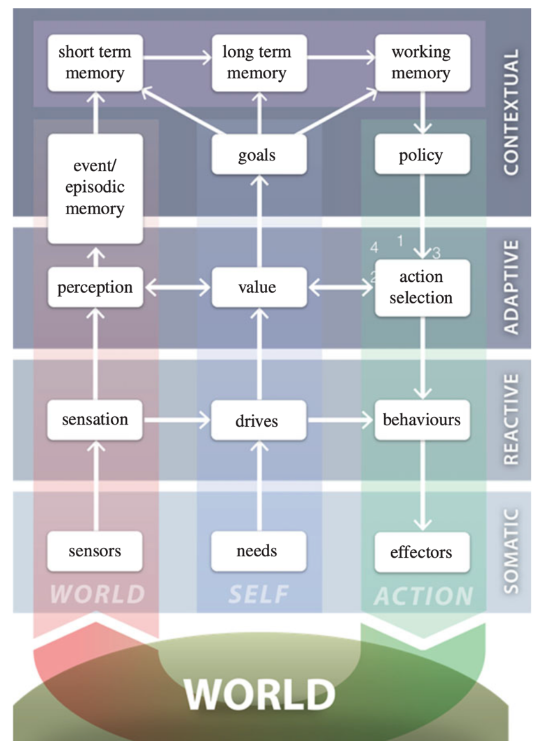
The engine is organised as a Distributed Adaptive Control (DAC) system: four layers from raw signals up to long-term memory, with a meta-control layer that orchestrates them per request.